AI Ethics in 2026: Your Sharpest Competitive Edge
16.12.2025
AI ethics in 2026 is a growth strategy, not a compliance cost. Learn the 3 moves founders must make to turn ethical AI into their sharpest competitive edge and avoid costly liabilities

In early 2025, I sat across from a founder who had just lost a €200,000 enterprise contract. His AI could not provide a basic audit trail. The meeting was not about features or pricing. It was about a complete absence of trust. That moment defined our year at Camsol. While most founders scrambled to plug compliance holes, the ones who had planned ahead were closing deals faster.
This is not about legal checkboxes. It is about revenue, risk, and runway. In 2026, AI ethics is your growth strategy. Neglect it, and it becomes your most expensive liability.
The 2025 Pivot: When Ethics Dictated Revenue
Last year, theoretical guidelines became enforceable law. The conversation shifted from the engineering lab to the boardroom.
Founders discovered that AI in regulated sectors like finance or healthcare triggered mandatory oversight, stretching sales cycles by 30 to 60 days. The inability to explain a decision could kill a deal, as it did for the founder who lost €200k.
Audit trails evolved from a best practice to a contract clause. Retrofitting them post-launch cost three to five times more than building them in from the start, often delaying market entry by quarters.
Most tellingly, explainability became a user demand. Startups that provided clear, plain-language reasoning for AI decisions built trust faster and reduced support volume by up to 40 percent. Ethics transformed from an engineering side project into a core business requirement.
Your 2026 Action Plan: Build Trust By Design
Success this year requires a procedural shift. Compliance must be engineered into your process, not attached as an afterthought.
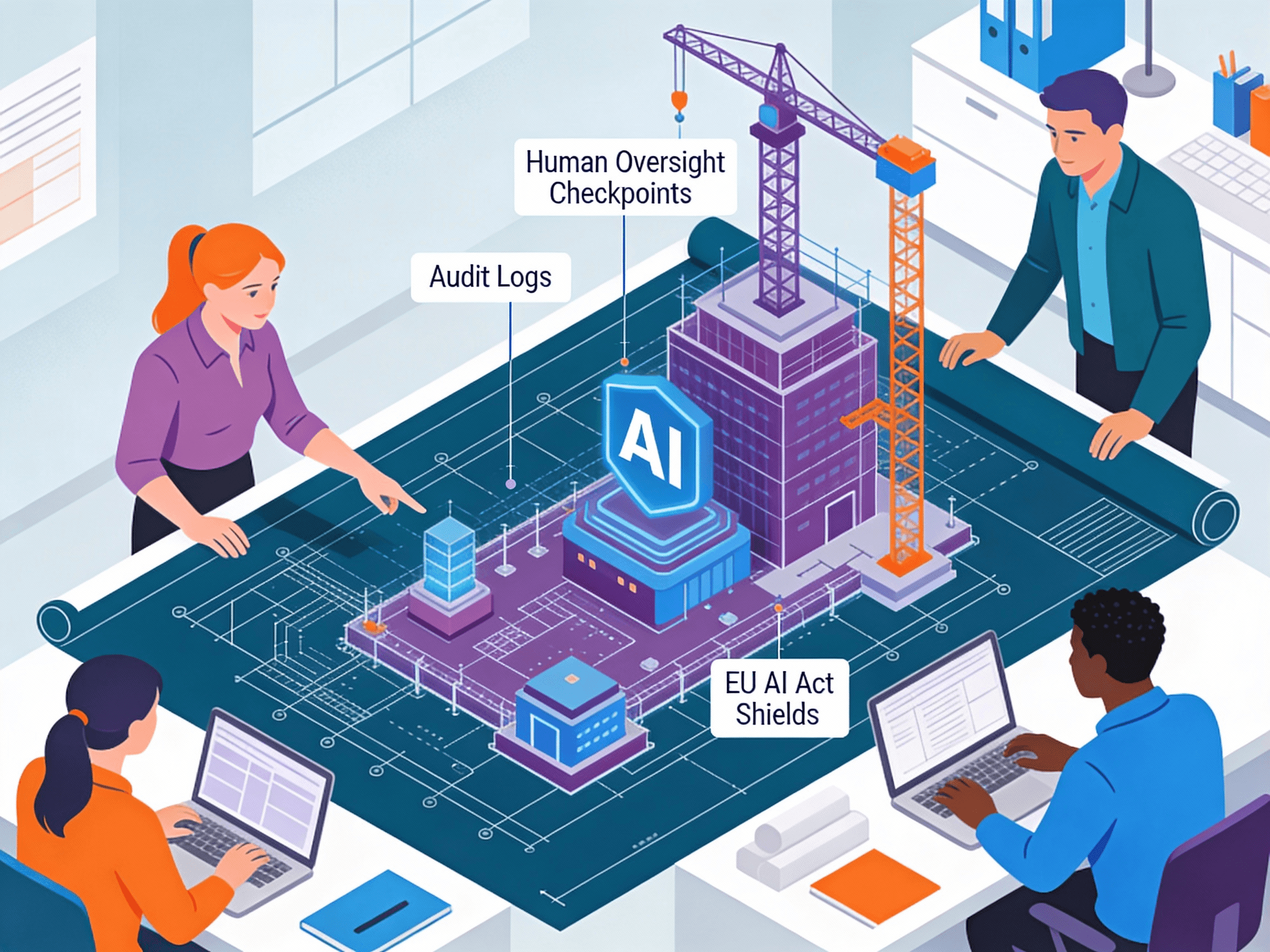
First, build your AI with the rigor of a financial system. Every decision must be trackable and explainable. Mandate that your team creates this transparency from the first sprint. When an investor or acquirer asks how your AI works, you need a defensible answer rooted in data trails, not promises.
Second, budget for human oversight as a core feature, not an edge case. High-risk actions require efficient human checkpoints. Design these workflows early using tools like Slack or dashboard approvals. The hidden cost of 2025 was the operational chaos of bolting on oversight too late.
Finally, adopt the strictest regulatory standard as your foundation. Align with frameworks like the EU AI Act from the start. This is the only way to future-proof your product for international markets and avoid the crippling technical debt of rebuilding for each new jurisdiction.
The Unseen Risk: Why Stability Is Your Ethical Foundation
A compliant AI system is not a one-time certificate. It is a living system that requires continuous monitoring, tuning, and adaptation to new rules. This exposes the industry's greatest weakness: developer churn.
If the engineer who architected your audit logs leaves, the institutional knowledge of why decisions were made leaves with them. A revolving door of freelancers cannot provide the long-term stewardship that ethical AI demands. Each team reset risks your compliance and invites catastrophic liability.
This is the critical advantage of a stable team. At Camsol, our engineers average over 2+years of tenure. When we build an AI system, the same people who designed its ethical guardrails remain for years to adapt them, monitor its fairness, and ensure its decisions stay transparent. This continuity transforms compliance from a recurring crisis into a managed, predictable advantage.
From Compliance Burden to Competitive Advantage
The landscape will keep shifting. Expect mandatory third-party audits, standardized "AI nutrition labels," and real-time bias monitoring to become the norm in 2026.
For the prepared founder, this is not a burden. It is a powerful filter. In a market saturated with AI hype, provable ethics will be your sharpest differentiator. It will win enterprise RFPs, justify premium pricing, and form the bedrock of a trusted brand.
Your next step is a simple audit. Before your next planning session, ask your team: "Is our AI a liability or a trust asset on our balance sheet?"
If the answer is not immediate and confident, you are already behind. The market is dividing into those who built ethical AI and those who will pay for it later.
Build it right, build it stable, and build it once.