Stop Buying IT “Service.” Start Building Capability.
We bridge the global tech talent gap to offer more than IT service. We provide partnerships that empower your team and deliver excellent, affordable solutions
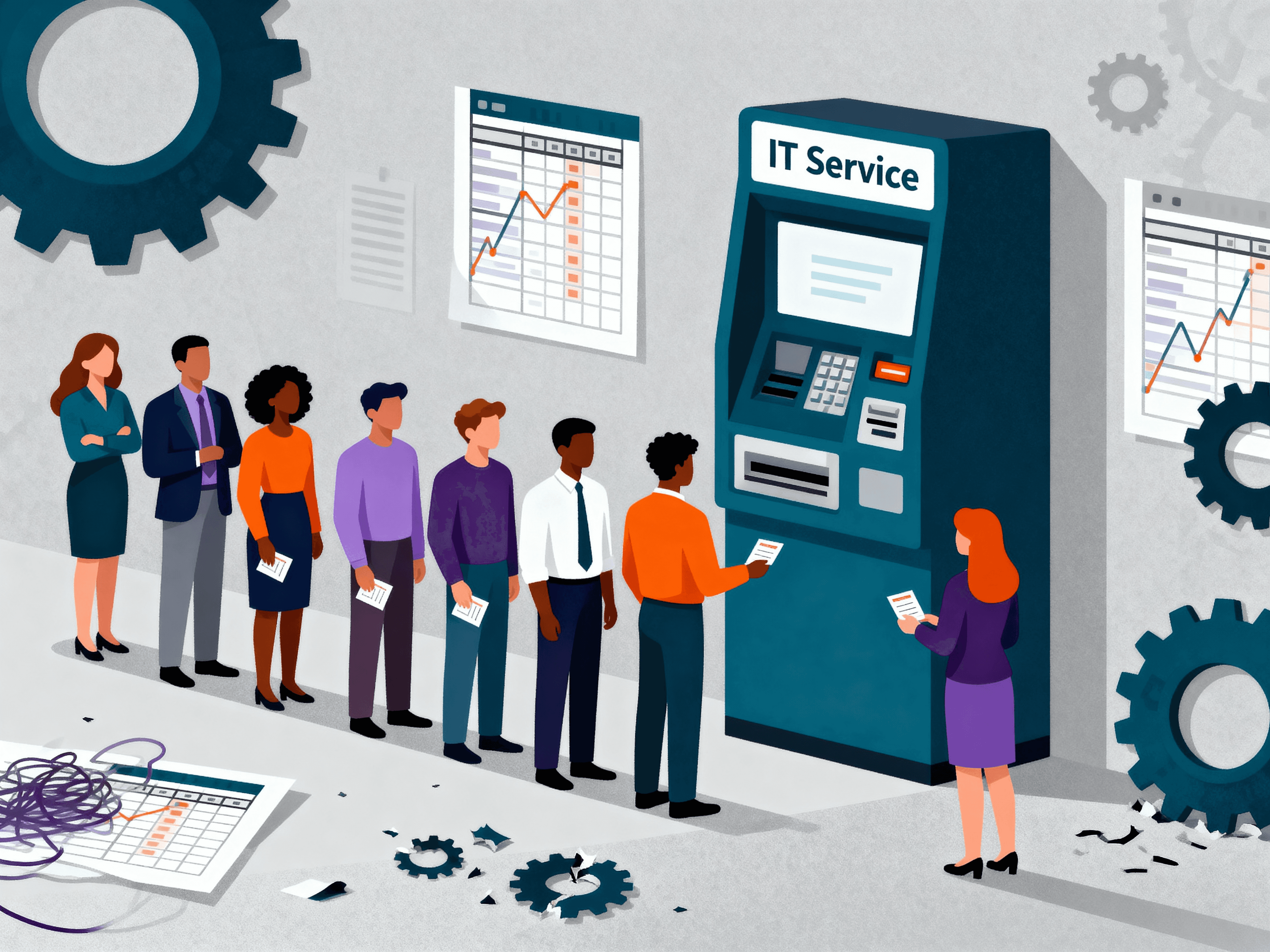
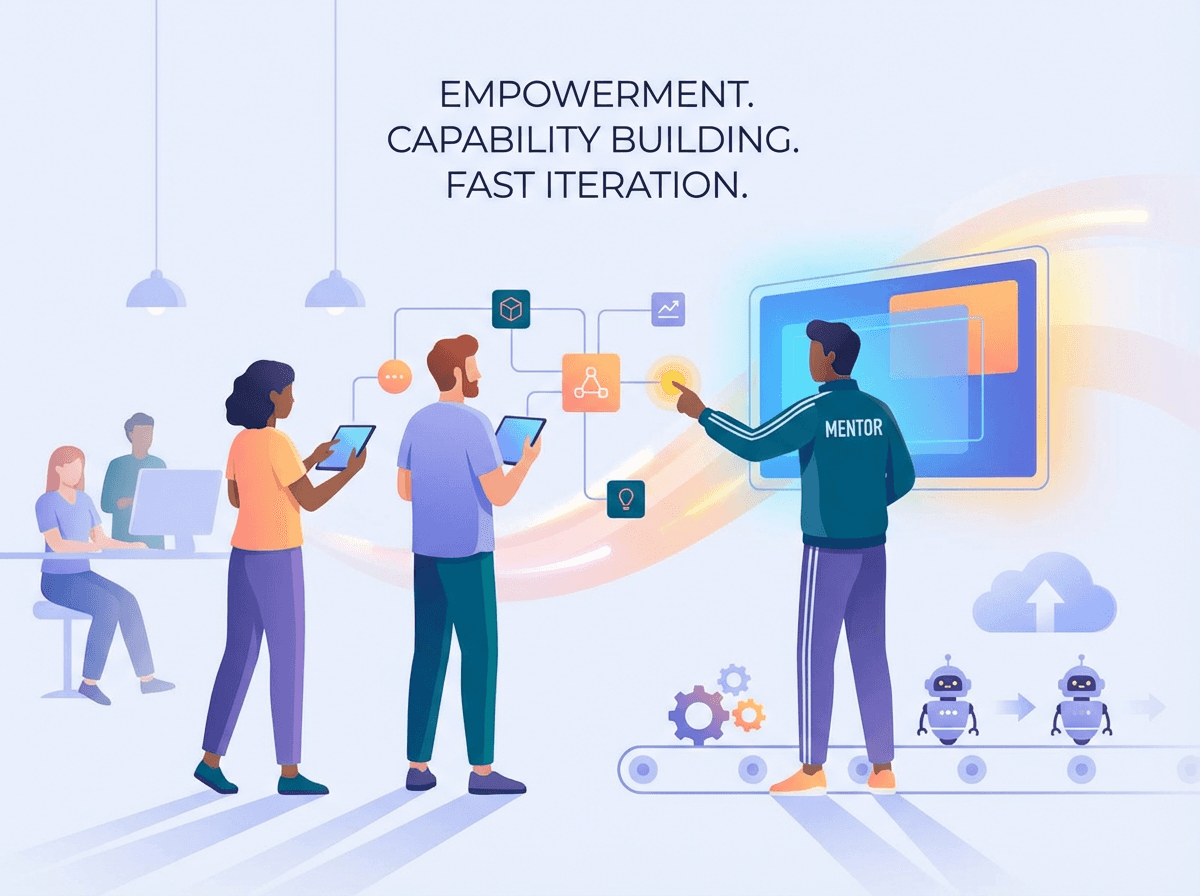
When most people hear “IT service,” they picture tickets. You submit a problem, someone fixes it, the ticket closes, and that is the end of the story. This is useful for break-fix, but it is bad for breakthroughs. We believe technology’s real job is not only to fix what is broken. Its job is to make people more capable. That simple shift turns a transaction into a partnership, and it changes everything.
The Transaction Trap
A transactional model creates dependency. The dialogue starts with what is broken and ends when the status quo returns. Over time, teams learn to wait instead of build. In real life this looks like marketing delaying a campaign while a small CRM change sits in a queue for two weeks, operations exporting data to Excel every Friday because “that is how we do it” even though a simple automation would save hours, and product logging minor improvements that arrive after the opportunity has passed. No one is lazy; the model teaches people to be passive and to focus on the tool rather than the people using it. The short version is simple: tickets restore yesterday. They rarely create tomorrow.
The Empowerment Partnership
Think personal trainer, not vending machine. A vending machine handles symptoms; a trainer builds strength. In an empowerment partnership we align on outcomes, teach the right patterns, and set guardrails so your team can move fast without breaking things. The work becomes proactive because goals are mapped to a lightweight roadmap that ties technology to results. It becomes educational because we teach a pattern once and your team reuses it everywhere. It becomes co-creative because your on-the-ground knowledge combines with our engineering so the right thing gets built the first time. Capability rises, confidence follows, ticket volume falls, and time to change shrinks.
Here is a simple example. An operations group handled hundreds of intake emails each month. After two short enablement sessions we showed them how to build a secure automation in their own workspace. Over the next sixty days their ticket volume dropped by thirty-eight percent, and small changes shipped in days rather than weeks. The team now runs its own improvements with a monthly check-in for safety and scale. The same approach works in smaller moments too. If your team struggles with messy spreadsheets, the service model fixes the sheet and waits for it to break again. The empowerment model teaches a pattern; structured data, validation, a single source of truth, and a small sync to the CRM; so the same thinking can be applied to reporting, inventory, and onboarding. The fix becomes a capability.
Why This Model Wins
Innovation moves faster when continuous improvements replace waiting on queues. People level up when power users become internal coaches, knowledge spreads, handoffs drop, and ownership grows. Risk goes down when standards and guardrails reduce shadow IT and one-off hacks, and when reviews are quick and predictable. Cost maps to value when rework declines, escalations fade, and in-house capability grows, because your spend builds durable skill rather than a stack of closed tickets.
Leaders see the shift first. They gain a partner who speaks in outcomes as well as uptime, who makes trade-offs clear, and who helps the organization run faster experiments. They also notice that attracting and keeping strong talent gets easier when tools actually help people do great work. Teams feel the change in their day-to-day. There is less waiting and more building, fewer “please fix” tickets and more “we shipped this improvement” updates, and a clean path to learn and grow without needing permission for every small step.
Getting started does not require a replatform or a grand program. Pick one process that slows you down and give it sixty focused minutes. Map the friction and the goal, teach one reusable pattern that fits your stack, set simple guardrails, and live with it for thirty days. If it works, run a short empowerment sprint with two workshops and one playbook and aim for a measurable improvement in two weeks. Common questions usually dissolve with practice. Opening up capability does not create chaos when standards, access rules, and review gates are clear; it creates freedom inside guardrails. Teams that feel too busy to learn benefit from enablement in the flow of work, using real tasks and quick wins that repay the time. Break-fix still matters, and when things do break, each fix should also build capability so the same issue does not return.
Tickets fix issues. Partnerships build capability. If you want technology to be more than a cost, give your people patterns and support that help them create value every week. Your tools should make your people stronger.