Meet Bassah Roselyn Nahjela: The Designer Who Builds Things That Make Sense
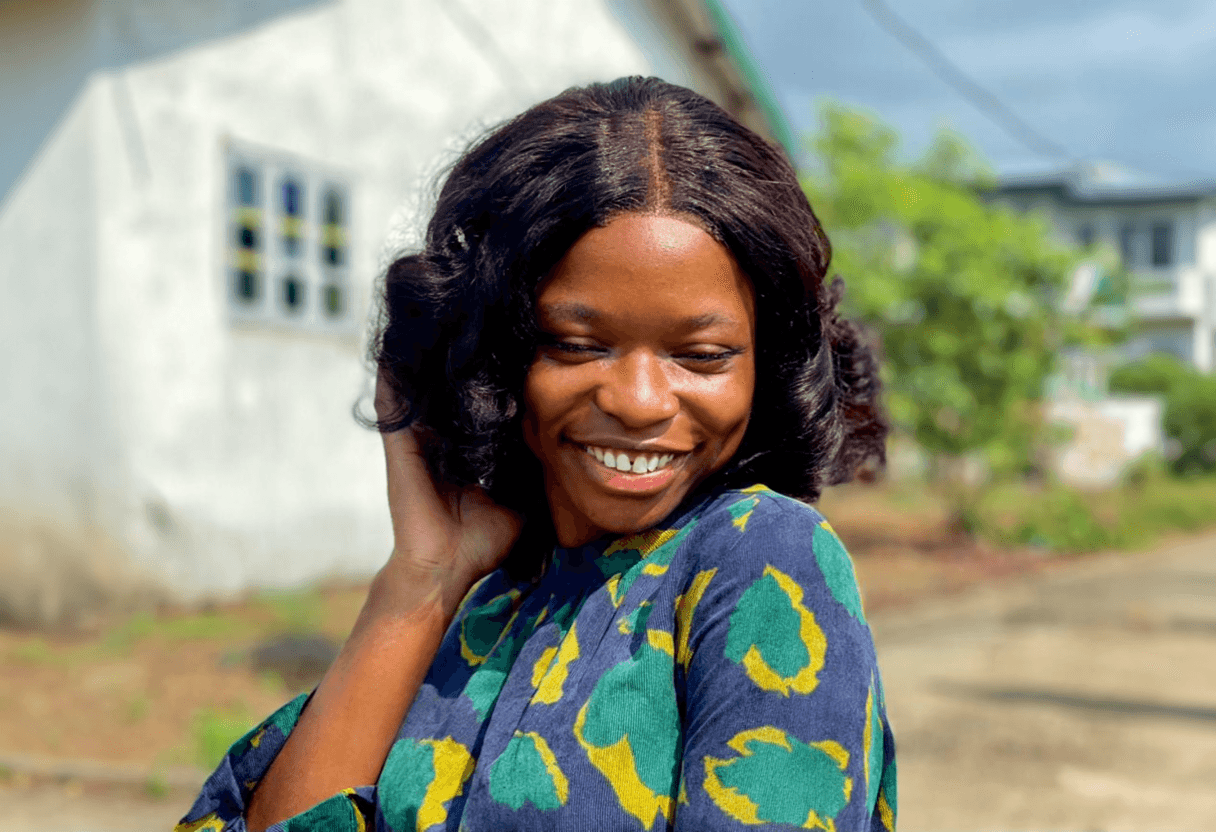

Bassah Roselyn Nahjela, who prefers to be called Naaj, named her studio after her mother.
Not after herself, not after a concept, not after something that sounded good on a brief. After her mother. A woman she describes as resilient and creative, someone who taught her to own her work and stand by her decisions. That detail says more about Naaj than any job title could.
Studio Salie exists because design became personal. And design became personal because someone decided to believe in her before she had the proof to back it up.
From Engineering to Figma
Naaj studied computer engineering expecting to become a developer. During her internship, something shifted. She realized the part of the work that interested her most wasn't the code itself. It was the thinking behind it. Why does this product exist? Who is it actually for? What makes it useful to a real person?
That question pulled her toward design. She started teaching herself, first graphic design, then UX/UI, building a foundation one tutorial, one project, and one piece of feedback at a time. By 2022 she had made it to Camsol. By her own telling, she barely knew Figma when she walked in.
What she found at Camsol was something harder to teach than software. The people around her saw where she was going before she could see it herself.
"They saw potential in me before I had proof," she says. "That changed everything."
That kind of belief does something specific to a person. It doesn't just boost confidence. It shifts how you think about your own work. She stopped thinking like someone completing tasks and started thinking like a product designer: someone who asks the right questions, takes ownership, and builds with the user in mind.
The Project That Tested Her
The clearest turning point was FinFamily, her first solo project at Camsol.
She remembers telling Leo, the project owner, that she had never led a project independently before. She was nervous and she said so. The responsibility felt new, and the brief wasn't simple. FinFamily was a financial product, which meant making complex concepts feel approachable to people who might already feel intimidated by money.
She started where she now tells every designer to start: information architecture first, low-fidelity wireframes before color, structure before polish. Get the foundation right before you touch anything that looks finished.
It worked. The project taught her that design can reduce friction not just between a user and an interface, but between a person and a subject they find overwhelming. Done well, design makes people feel less lost.
More than the outcome, FinFamily gave her something she still carries: the confidence that comes not from knowing everything upfront, but from learning you can figure things out as you go.
What Shapes How She Works
Naaj follows Chris Do, founder of The Futur, as a professional reference point. What his work gave her was a shift in how she thinks about design as a discipline. Design is not only about aesthetics. It is about solving real business problems, communicating value, and asking better questions before picking up a tool. That reframe changed how she approaches client work.
Working on products for African contexts adds another layer to how she thinks. The goal is never just to satisfy a brief or deliver something polished. It is to build something people can actually use, trust, and benefit from. That sense of purpose keeps the work grounded.
At Camsol, what keeps her is the people. She has seen the same culture of belief that shaped her early career extend to teammates around her. People invest in each other here. That kind of environment is not common, and she knows it.
Outside the Desk
When Naaj steps away from work, she moves between creating and slowing down.
She writes. Posts about growth, confidence, and design find their way onto her page regularly. She mentors, giving back to a community that is producing more designers every year who need exactly the kind of guidance she once needed herself. There is something deliberate about that. She was believed in early. She pays it forward.
She also protects her rest. Long walks, light workouts, time with friends, good food, and just being present. Not as a productivity strategy. Simply because life outside the screen is part of how she stays grounded inside it.
When the week is done and she wants something simple and satisfying, she goes for fried Irish potatoes with peppered eggs and a tablespoon of mayonnaise. Simple, specific, and exactly right. If it has been a particularly long week, seasoned fried chicken and a fruit cocktail finish things off properly.
One Last Thing
Naaj joined Camsol barely knowing Figma. She named her studio after her mother. She mentors designers who are starting out exactly where she once did.
The through line across all of it is the same: she builds things that make sense, and she makes room for people who are still figuring it out.