Design Thinking Without the Workshops
Learn how products are actually validated without workshops. A practical guide to design thinking, early validation, prototypes, and better product decisions.
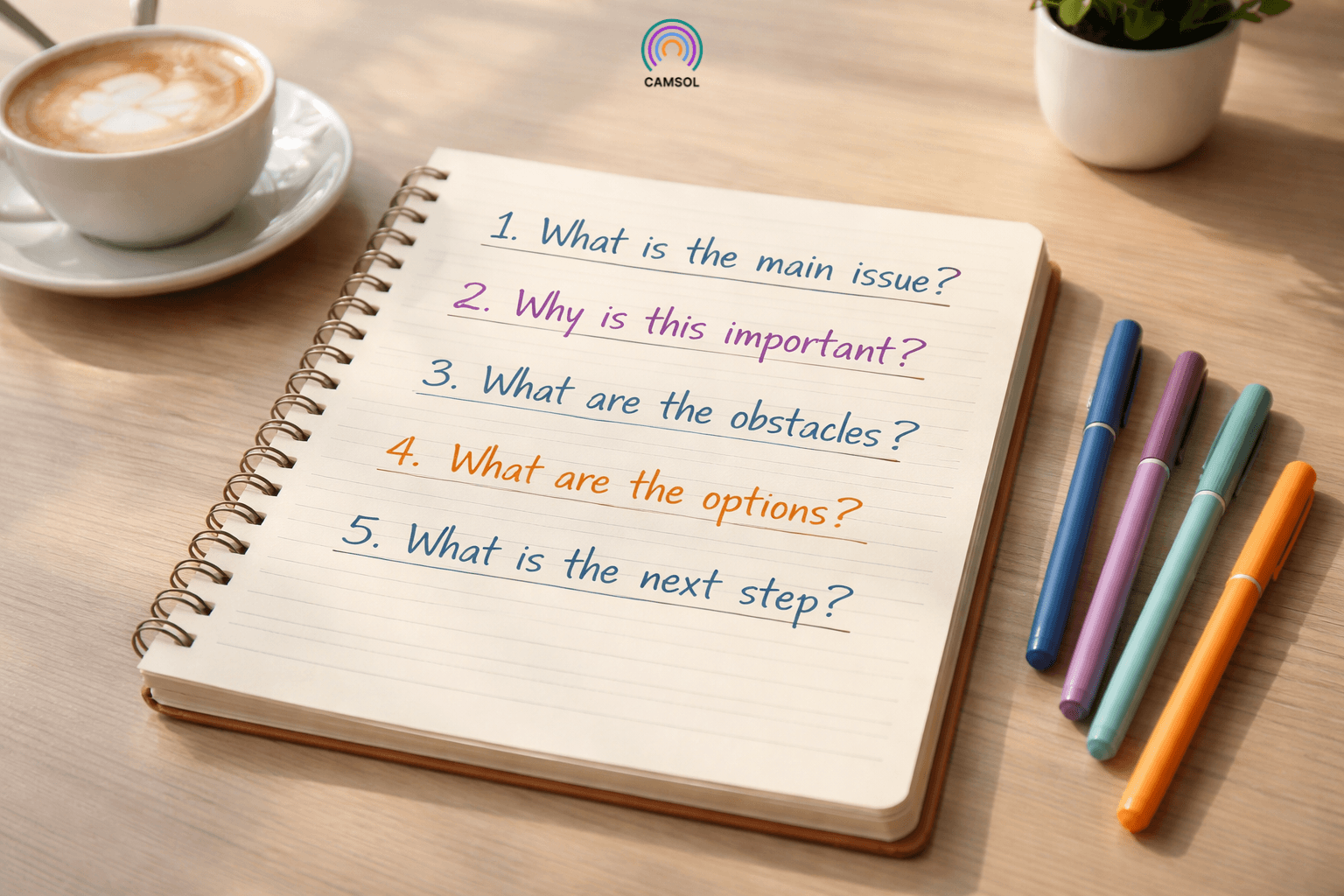

How Products Actually Get Validated
Most product teams do not fail because they lack skill.
They fail because they commit too early.
They decide what to build before they understand what needs to exist, and once that decision is made, everything that follows reinforces it. Roadmaps lock in. Teams align. Budgets move. Changing direction becomes socially and financially expensive.
By the time evidence appears, it is no longer welcome.
This is not a design problem.
It is a decision problem.
Design thinking was meant to solve this. Instead, it often gets reduced to workshops, exercises, and artifacts that feel productive but arrive too late to change outcomes.
Real validation does not look like alignment.
It looks like interruption.
Validation Starts Before Ideas Exist
Most teams begin with solutions because solutions feel responsible.
Features are tangible.
Roadmaps look like planning.
Movement signals progress.
But ideas are the most expensive place to start.
Once an idea exists, it attracts defense. Time is spent refining instead of questioning. The team optimizes execution rather than relevance.
Validation exists to delay that moment.
The first distinction that matters is simple and rarely enforced.
A problem is an observable condition experienced by users.
An assumption is an explanation the team invents to make that condition feel solvable.
Users abandon onboarding is a problem.
Users need more guidance is an assumption.
Only one of these can be tested without writing code.
Teams that treat assumptions as facts build quickly and learn slowly. Teams that protect the problem space learn first and commit later.
This is not philosophical.
Teams that delay commitment reduce rework, lower maintenance costs, and avoid building features that must later be defended rather than used.
Discovery Is a Continuous Loop, Not a Phase
Discovery often gets treated as a prerequisite.
Research happens.
Insights are documented.
Work begins.
That structure assumes understanding is static.
It is not.
Discovery is a loop that runs until uncertainty is low enough to justify commitment, and then resumes whenever something new is introduced.
The loop is short.
You speak to users.
You listen for repeated friction.
You adjust what you believe.
You decide what to test next.
This does not require volume.
Five conversations regularly surface more actionable insight than dozens of surveys because friction shows up quickly when people try to do real work.
The goal is not confidence.
The goal is orientation.
You are not trying to be right.
You are trying to avoid being wrong for too long.
Teams that treat discovery as ongoing are better at changing direction early, when change is still cheap.
Prototypes Exist to Surface Friction, Not Approval
Prototypes are often misunderstood because they resemble early versions of products.
Teams polish them.
They explain them.
They try to make them convincing.
That instinct removes their value.
A prototype is not a proposal.
It is a question made visible.
Can users find the next step without instruction.
Do they understand what will happen after an action.
Do they hesitate, recover, or abandon the flow.
If a prototype requires explanation, it has already failed as a test.
Confusion is not a flaw in this context.
Confusion is evidence.
One team tested a redesigned signup flow with five users.
All five completed it.
Four hesitated before the final step.
Two asked what would happen next.
Nothing was broken.
Nothing failed.
The feature shipped.
Three weeks later, support tickets described the same hesitation in production, at a much higher cost.
The signal was present early.
It was ignored.
Prototypes work when teams are willing to see friction as information rather than criticism.
Validation Is About Timing, Not Ceremony
Most teams validate after commitment.
They test once timelines are fixed, dependencies exist, and change feels risky. At that point, feedback becomes something to manage rather than act on.
Effective validation happens earlier.
While decisions are still cheap.
This does not require elaborate processes.
It requires discipline.
Small tests.
Short cycles.
Clear decision points.
Metrics matter only when they change what happens next.
Should this stay.
Should it change.
Should it be removed.
Completion rates before and after a change.
Drop off between two steps.
Time to first successful action.
Anything that does not inform a decision is noise.
Teams that validate early move slower at first and faster overall. Teams that skip validation move fast initially and slow down permanently.
What This Means in Practice
Design thinking is not a workshop.
It is a habit of restraint.
It is the practice of delaying commitment until learning justifies it, and of creating systems that allow evidence to interrupt plans before plans become obligations.
The output is not alignment.
The output is understanding.
Understanding compounds. Products change. Teams that learn early spend less time fixing later.
For teams looking for a way forward, the next step is not another framework.
It is simpler.
Name your assumptions explicitly.
Test problems before solutions.
Use prototypes to reveal friction, not approval.
Let evidence interrupt decisions while change is still cheap.